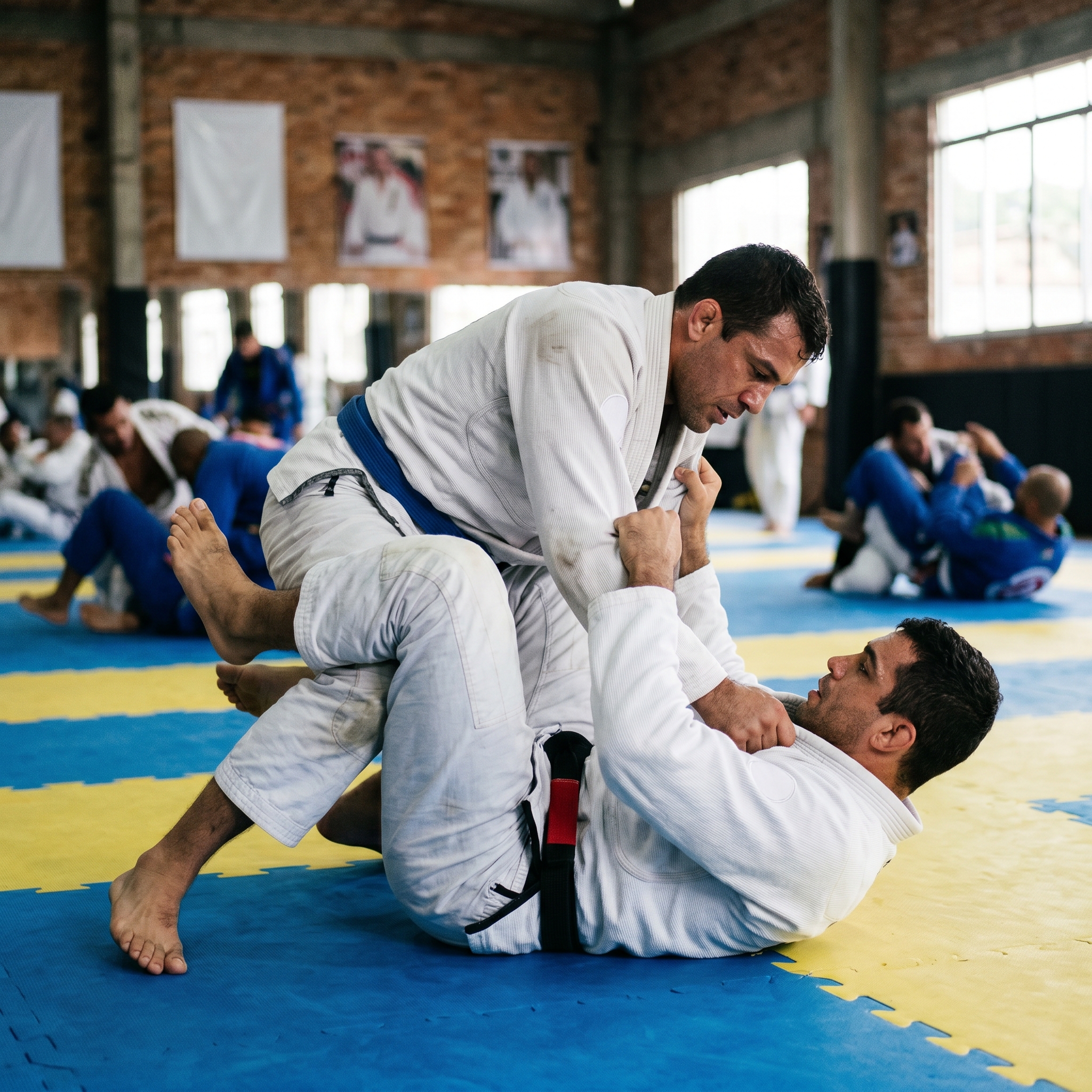
BJJ Guard Passing Blueprint: A Simple Decision Tree
Last Updated: January 2026
Quick Summary: Guard passing gets easier when you follow a decision tree. Use these rules and branches to pass closed, open, and half guard without guessing. The infographic below gives you a clean visual reference.
---
Key Takeaways
- Posture and grip fighting are the pass before the pass.
- Control the hips or knees to shut down guard movement.
- Win the angle, then connect chest to chest.
- Two passes are enough if you can repeat them.
- Passing is a sequence, not a single move.
What is guard passing in BJJ?
Guard passing is the process of clearing your opponent's legs to establish top control like side control or mount. The best passers follow the same sequence: posture, control, angle, finish.
The 4 rules that make every pass easier
1) Posture first - tall spine, active hands. 2) Control hips or knees - do not let the guard pivot freely. 3) Win the angle - step off the center line. 4) Chest to chest - close space and settle your weight.
---
Decision tree: closed guard
If the guard is locked:
- Posture tall and keep elbows in.
- Open the guard with standing or a knee wedge.
- Control a knee, step to an angle, and pass to side control.
- Rebuild posture first. Do not pass while folded.
Decision tree: open guard
If they control your ankles or sleeves:
- Clear grips with two-on-one control.
- Step back to reset distance, then re-enter.
- Push the head line back.
- Pin a knee and cut an angle.
Decision tree: half guard
If you are in knee shield:
- Win inside hand position.
- Cross face, underhook, and flatten.
- Free the knee and settle to side control.
- Pin the top knee.
- Backstep or knee cut, then connect chest to chest.
The finish sequence (repeat every time)
1) Clear the legs. 2) Pin hips and shoulders. 3) Cross face and underhook. 4) Hold position for 3 seconds before moving to mount.
Common passing mistakes
- Leaning forward and losing balance.
- Passing before breaking grips.
- Staying square in front of the guard.
- Moving fast without pinning.
Infographic: Guard Passing Decision Tree

---
FAQ
What is the easiest guard to pass as a beginner?
Closed guard is often the most predictable if you can keep posture and open safely.Should I learn pressure passing or speed passing first?
Pressure passing is usually more reliable early because it relies on structure and control.How many passes do I need as a beginner?
Two is enough. One for closed guard and one for open or half guard.---
Next Steps
- Learn escapes that pair with top pressure: How to Escape Mount
- Build a basic gear setup: Best BJJ Gi for Beginners
- Explore fundamentals: BJJ Belt System Explained
SEO Implementation Notes
Primary keyword: bjj guard passing blueprint
Title tag (60 chars): BJJ Guard Passing Blueprint: Decision Tree | JJA
Meta description (154 chars): A simple guard passing decision tree for closed, open, and half guard. Includes the blueprint infographic and a quick checklist.
Schema: Implement `Article` schema + `FAQPage` schema for the FAQ section.
Internal links to add:
- Link to "How to Escape Mount" in the finish sequence section.
- Link to "Best BJJ Gi for Beginners" in next steps.
- Link to "BJJ Belt System Explained" in the definition section.