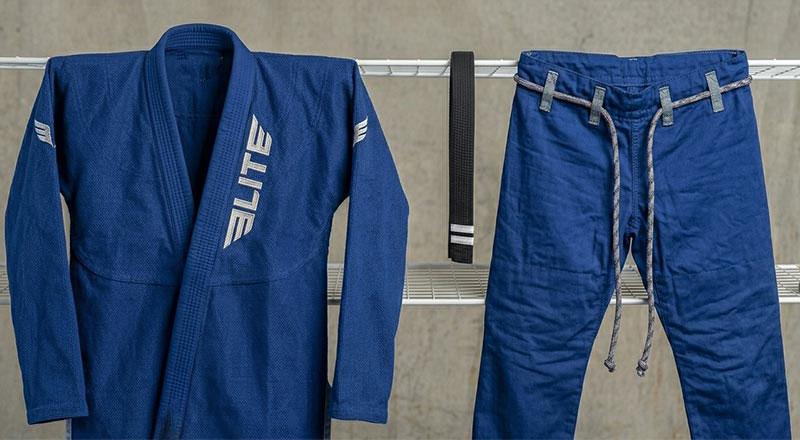
How to Dry Your BJJ Gi Without Shrinking It
It happens to almost everyone at least once. You wash a fresh gi, toss it in the dryer like any other load of laundry, and pull out a jacket with sleeves stuck up at the forearm and pants that look like capris. A two-hundred-dollar gi, ruined in a single 45-minute cycle.
Here's the short answer so it never happens to you: hang your gi to dry, keep it away from high heat, and the fit you bought is the fit you keep. Shrinkage is one of the most common gi problems in Brazilian Jiu-Jitsu, and it's also one of the most avoidable. It almost never comes down to how you washed the gi. It comes down to how you dried it.
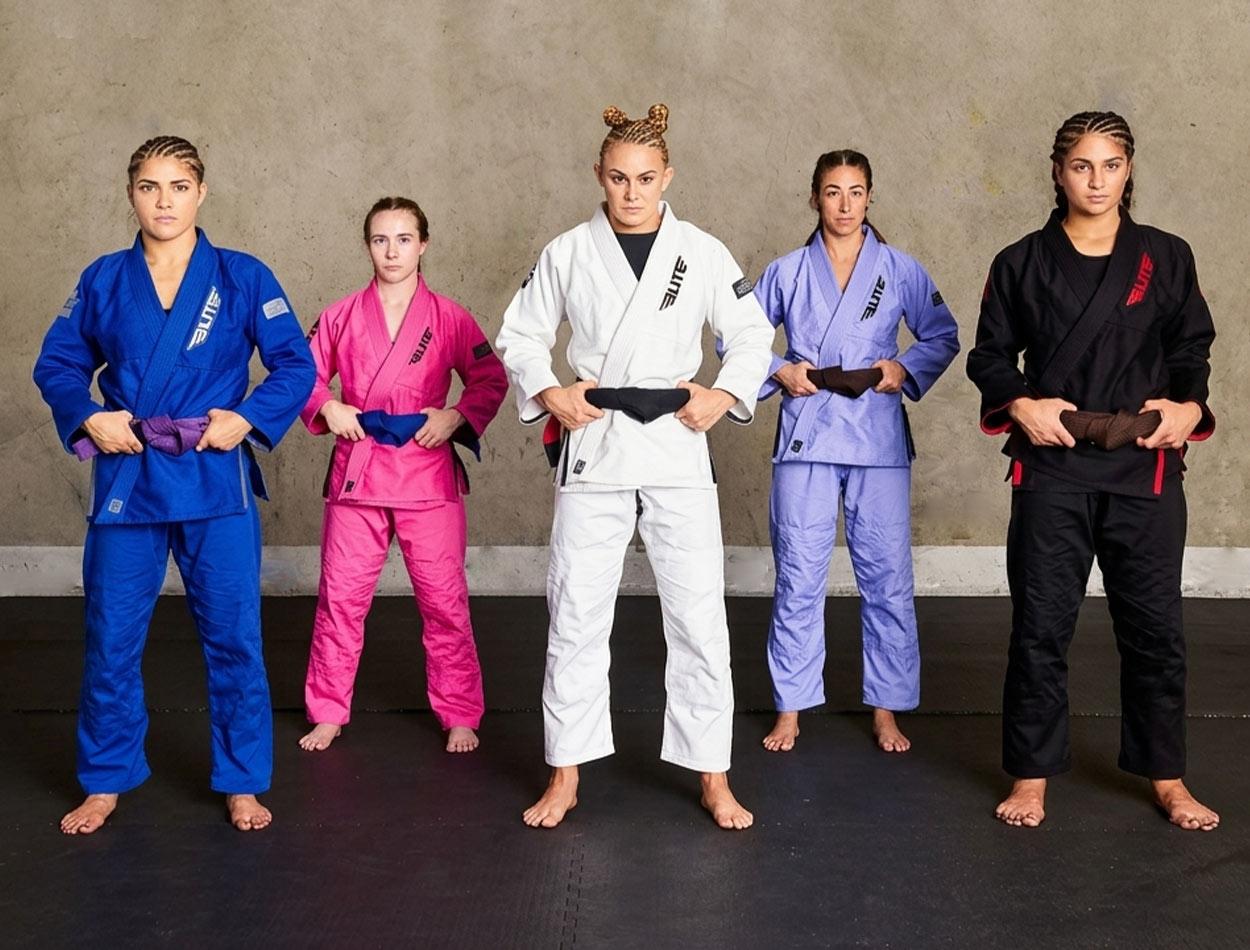
Elite Sports makes pre-shrunk, professional-grade BJJ gis for men, women, and kids, and they've built their name on one thing above all: the best quality you can get for the money. Dollar for dollar, it's tough to find a gi that holds up to hard training like an Elite does at the price. Their care guidance is the same lesson every experienced grappler eventually learns the hard way: wash cold, hang to dry, protect the fabric. Do that and a good gi lasts years instead of months.
Below is everything that actually matters: why gis shrink, the right way to air dry, how to use a dryer without wrecking your gi, and the mistakes quietly killing the one you own right now.
Why BJJ gis shrink in the first place
Understand the cause and the fix becomes obvious. Most BJJ gis are woven from cotton-heavy fabrics: pearl weave, gold weave, ripstop blends. During weaving, those cotton fibers get stretched. Apply heat, whether from hot water, a tumble dryer, or a long afternoon in direct sun, and the fibers snap back toward their natural, shorter length. That snap-back is your shrinkage.
A dryer makes it worse because it stacks two stresses at once: heat plus the mechanical beating of the tumble. The first few washes carry the highest risk, especially on a brand-new gi that has never seen water. After that break-in period the risk of dramatic size loss drops off, but heat stays a threat for the entire life of the gi. It never fully stops being the enemy.
Air drying is the gold standard, every single time
For any cotton or cotton-blend gi, air drying wins. It takes heat completely out of the picture, and heat is the one factor doing the most damage. Hang dry after every wash and you protect the original fit, the weave structure, and the competition shape far longer than a machine ever could.
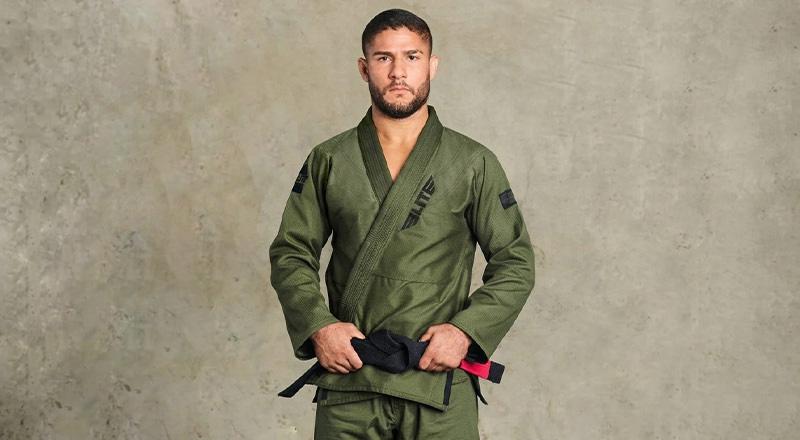
Take the Elite Sports Core White gi as a reference point. It's built from pre-shrunk pearl weave with a cotton-polyester blend, so it tolerates more abuse than a pure cotton gi, and it does it at a price most premium brands can't touch. Even then, Elite tells you to hang dry this gi after each wash to stretch out the fabric's life and keep the reinforced stitching and seams in fighting condition. If the brand that engineered the gi to resist shrinking still says hang it, hang it.
How to air dry a BJJ gi the right way
Air drying isn't just slapping it on a hook and walking off. Technique matters as much as the method.
- Hang from the shoulders on a wide hanger or rack. A wide, contoured hanger carries the jacket across the shoulder seam where it belongs. A thin wire hanger or a single hook drags the collar out of shape and warps the lapel over time. That distortion does its own kind of damage, separate from heat.
- Pick a spot with real airflow. Good ventilation speeds drying and kills the musty smell that creeps in when wet fabric sits in dead air. A covered porch, a breezy room, or a spot near a fan all do the job.
- Keep it out of long, direct sun. A short stint in sunlight helps sanitize naturally. Hours of UV does the opposite: it fades the color and weakens the fibers. Shade or indirect light is the smarter call.
- Hang pants from the waistband or lay them flat. Clip hangers on the waistband let moisture drain straight down. Laying them flat on a rack works too, and it spares the drawstring area stress over hundreds of washes.
- Wait until it's bone dry before storing. A heavyweight pearl weave gi can take 12 to 24 hours depending on humidity and airflow. Fold it away even slightly damp and you invite mildew and odor that's brutal to get back out.
Short on time? How to use a dryer without shrinking your gi
Not everyone has 12 hours between training sessions. I get it. You train at 6am, you've got one gi, and it's still wet. A dryer doesn't automatically mean a ruined gi, as long as you respect a few hard rules.
- Lowest heat setting, always. High heat is the number one cause of dryer shrinkage. If your machine has an "air fluff" or no-heat tumble, use that.
- Pull it out while it's still slightly damp. Take it out early and let it finish on a hanger. You cut total heat exposure dramatically.
- Never run high heat, not even once. A single hot cycle is enough to permanently shrink a cotton gi. That fit is gone, and no amount of stretching brings it back.
- Use a mesh laundry bag. It cuts the friction between the gi and the drum, which means less mechanical stress on the fabric, the seams, and the collar edges.
Drying mistakes that quietly kill your gi
Even people with a decade on the mats make these without connecting them to the slow death of their gear.
- Leaving a wet gi in the wash drum. Forget it in there after the cycle and you've built a mildew incubator. Move it straight to the hanger the second it stops spinning.
- Drying over a radiator or heat source. Radiators and heated racks blast concentrated heat into one section of fabric. Whatever's touching the heat takes the worst of it, and you end up with uneven shrinkage across the gi.
- Storing it even a little damp. A damp gi turns musty fast, and in humid conditions, mold can start growing inside a day.
- Using fabric softener. Softener coats the fibers, cuts breathability, and makes the weave more likely to distort in the wash and the dry. Use a gentle, sports-specific detergent instead. Your gi is athletic gear, not a bath towel.
Pre-shrunk fabric: the move for people who train every day
If you train five or six times a week, air drying for 12 to 24 hours between sessions isn't always realistic. This is where pre-shrunk fabric earns its keep.
Elite Sports builds select gis from a pre-shrunk CVC fabric, a cotton-polyester blend engineered to resist the size changes that wreck standard cotton in the wash. The payoff: a gi that handles machine washing and, in a lot of cases, low-heat machine drying without the shrinkage a conventional pearl weave would suffer. Stack that engineering against the price and it's one of the best values in the sport, premium build, beginner-friendly cost.
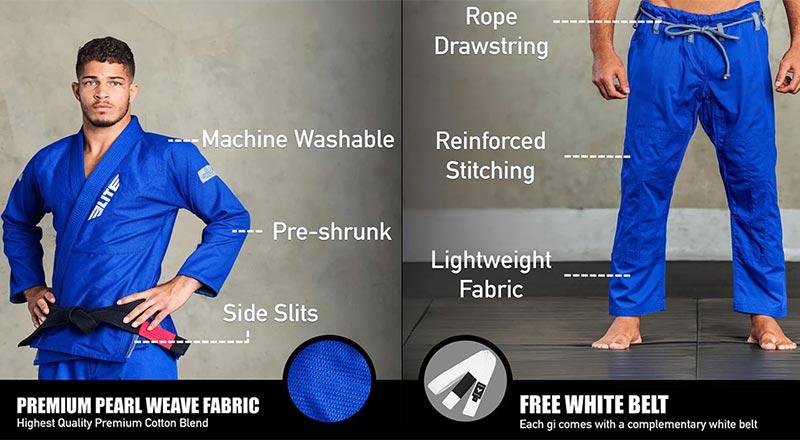
Pre-shrunk fabric doesn't make care habits pointless. It gives you a margin of safety, room to be human about your laundry on a hard training week. For someone living in their gi, that engineering changes the whole routine.
How to store your gi after it dries
Drying it right is half the battle. Storage is the other half. Fold it flat instead of leaving it balled up in the bottom of your gym bag, because that crumple sets in. Keep it somewhere cool and dry, out of direct sun, so the fabric doesn't break down between sessions. For longer stretches, hang it on a wide hanger in a closet to keep the collar, shoulders, and lapel sitting in their natural shape.
The bottom line
A good gi is an investment in your training, and drying it correctly is the cheapest insurance you'll ever buy. Air drying is the most reliable method across every gi type and every weave weight, full stop. When you have no choice but the dryer, low heat and pulling it out slightly damp is the difference between a gi that lasts years and one that barely survives its first month.
Elite Sports designs its gis with both performance and care in mind, from pre-shrunk fabric to reinforced stitching that outlives hundreds of washes, and it does it without the boutique price tag. That's the whole pitch: top-tier quality at a cost that makes sense, especially for newer grapplers building their first real kit. Pair good gear with good habits and the math works in your favor.
Dry it right and your gi stays exactly the size it was built to be.
Disclosure: this is a sponsored post created in partnership with Elite Sports. Some links are sponsored. The care advice here is the same thing every grappler learns on the mats, partnership or not.